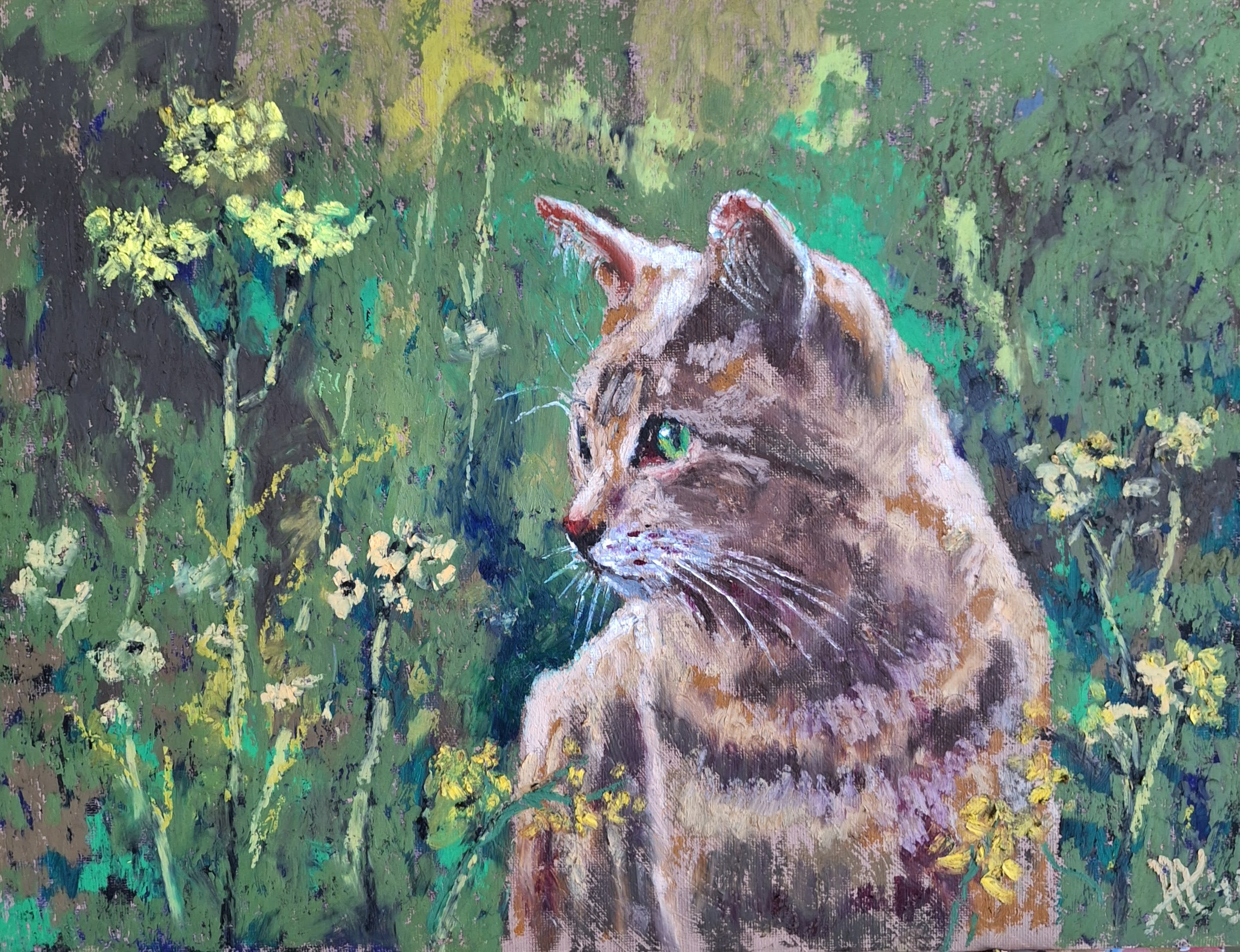
The Art of the Cat Portrait: Capturing a Soul That Refuses to Be Captured
April 27, 2026
Posted by marko
There is a particular kind of frustration reserved for the cat photographer. You've set the light. The background is clean. Your lens is focused, your shutter speed wound up tight. And then your subject — your very own beloved animal — turns away, begins grooming its shoulder, or simply closes its eyes.
Cat portraiture is, at its heart, a practice in patience and observation. It is the quiet art of learning to see an animal on its own terms, rather than forcing it to perform for yours.
"A great cat portrait doesn't show you what a cat looks like. It shows you what a cat is thinking — or refuses to tell you."
Light is everything
The single most transformative change you can make to your cat portraits is to seek out softer, more directional light. Harsh overhead light flattens fur texture and creates unflattering shadows across the face. Instead, position your cat near a north-facing window on an overcast day. The resulting diffused glow wraps naturally around the contours of the face, picking out individual whiskers and the subtle gradations in coat colour that make each cat visually unique.
Golden hour — that hour just after sunrise or before sunset — works beautifully too. The warm, low-angled light skims across a cat's fur, creating a halo effect that is practically painterly. If you've ever wondered why some cat photos look like Dutch Golden Age portraits, the answer is almost always the light source.
Six things to try this weekend
The moment you're actually after
Technically clean portraits are satisfying to make, but the images people return to again and again are the ones that feel alive — a flicker of curiosity just before the cat looks away, the slow deliberate blink that signals contentment, the imperious stare directed at nothing visible to human eyes.
These moments cannot be staged. They can only be witnessed. This is what separates animal portraiture from most other forms of photography: the subject retains full creative control. Your job is simply to be ready, and to have set up your technical parameters well enough that when the moment arrives, nothing stands between you and the frame.
The cats that make the most extraordinary portrait subjects are not the most conventionally beautiful. They are the ones with personality so specific, so self-contained, that you find yourself wondering what they know. The camera, it turns out, is very good at recording that particular quality of feline inscrutability — the suggestion of an interior life that is rich, private, and entirely theirs.
0 people likes this post